Understand the journey
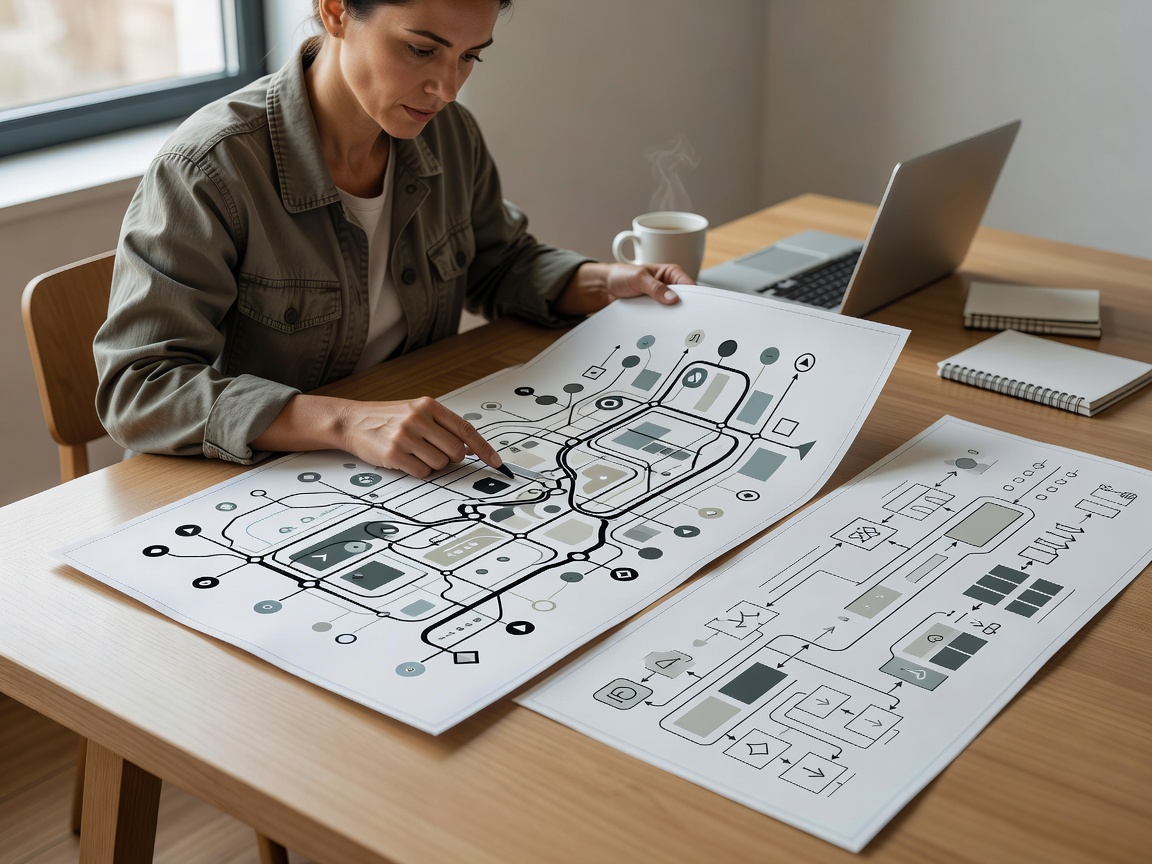
Begin with realistic journeys rather than equipment. Where does someone arrive? What do they know already? When do they need reassurance, detail or human help? Observe people carrying luggage, travelling with children, using mobility aids or navigating in an unfamiliar language.
Audience analysis should include residents, visitors, staff, event audiences and people who do not use smartphones. Their needs overlap, but they are not identical. A system that works for a confident local may fail someone making a time-sensitive connection.
Survey sites and decisions
A site survey records entrances, sightlines, lighting, noise, shelter, pedestrian flow, queues, accessibility barriers and existing signs. Mark decision points on a journey map. Do not place information where it is visually neat but operationally late.
Check seasonal differences. A quiet winter route may become crowded during an event. Temporary works, weather, construction and changing opening hours can alter what visitors need to know.
Build an information hierarchy
Prioritise messages: immediate direction first, useful context second, optional detail third. Decide which information belongs on a physical sign, a screen, a map, a kiosk or a staffed channel. This prevents every surface becoming a miniature directory.
Content planning includes naming conventions, translation, tone, image use, update frequency and approval. Assign owners before launch. If nobody owns expiry dates, outdated information becomes part of the experience.
Accessibility and resilience
Make accessible routes visible without treating them as an afterthought. Check contrast, type size, reach, surface transitions, seating, quiet alternatives and the needs of people with sensory or cognitive differences. Test information with people who were not involved in writing it.
Plan for outages and emergencies. Essential directions should not disappear because a network fails. Emergency communication needs a defined approval route, clear priority and a way to return to normal content afterward.
Planning checklist
- Map arrival, decision and destination points.
- Record audience needs and access barriers.
- Define the hierarchy and source of truth.
- Assign content, maintenance and escalation owners.
- Test day, night, busy, quiet and seasonal conditions.
- Schedule reviews, cleaning and replacement checks.
Good for
Any destination joining physical information with digital channels, especially places with multiple operators or changing seasonal demands.
Related guides
Wayfinding → Digital signage → Kiosks →